
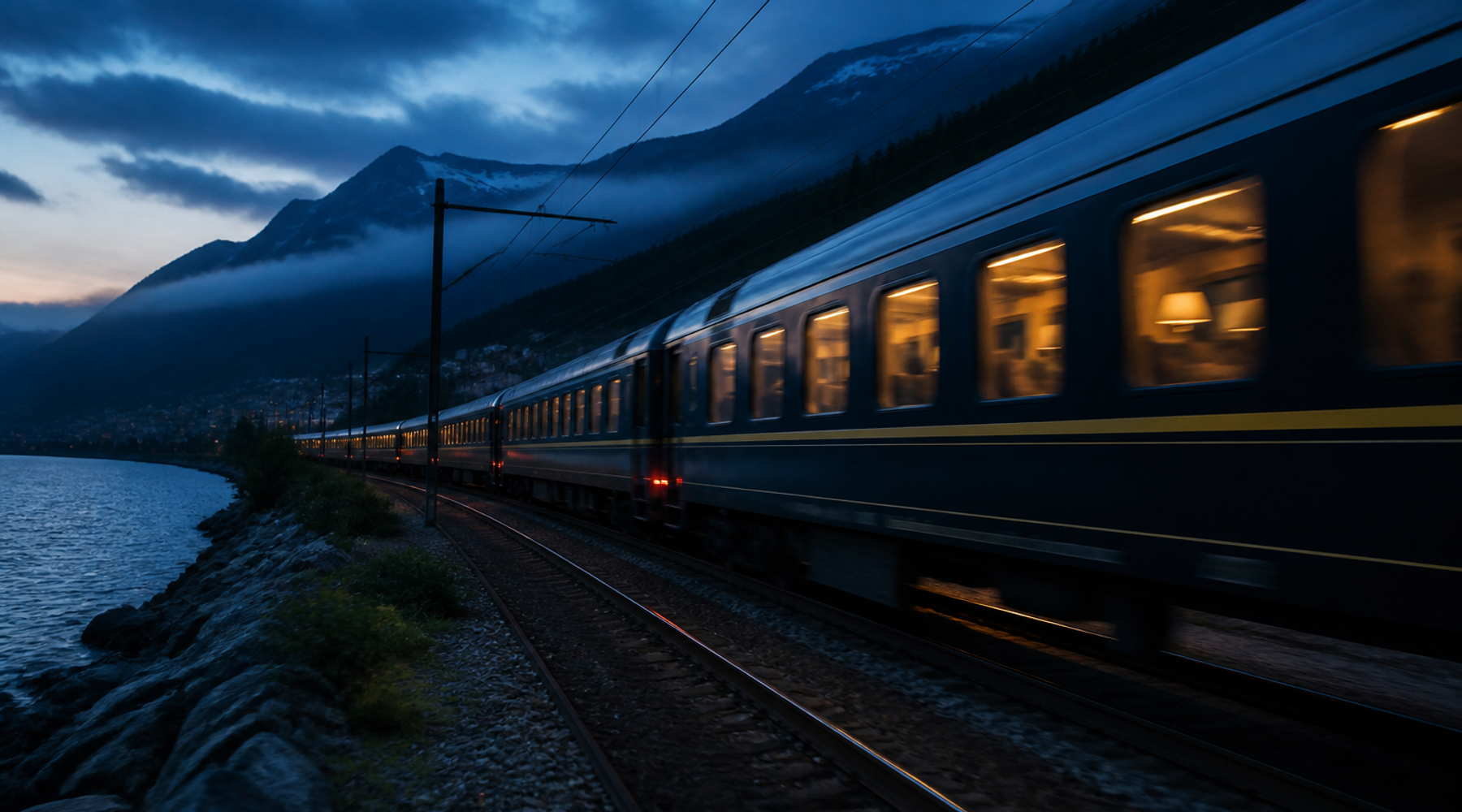
European travelers are ditching short-haul flights for sleeper cabins. From climate concerns to the appeal of 'slow travel,' night trains are staging a major continental comeback with new routes and modern fleets.
## The Great Railway Revival
For decades, budget airlines dominated European travel, leaving night trains as relics of a bygone era. However, a major shift is occurring across the continent. National operators and private startups are dusting off old carriages and investing in state-of-the-art sleepers to meet a surging demand for overnight rail travel. What was once a niche hobby for rail enthusiasts has become a mainstream alternative for commuters and tourists alike.
## Sustainability Drives the Shift
The primary catalyst for this trend is the growing focus on carbon footprints. Short-haul flights are increasingly viewed as environmental luxuries that many travelers are no longer willing to justify. A journey from Vienna to Paris by train emits significantly less CO2 per passenger compared to the same route by air. This 'flight shame' movement, combined with corporate sustainability goals, has pushed a new demographic toward the tracks.
## The Practicality of Waking Up Downtown
Travelers are also rediscovering the logistical perks of the sleeper train. Unlike airports, which are often located an hour or more from city centers, train stations sit in the heart of the action. By traveling overnight, passengers effectively combine the cost of transport with the cost of a hotel night. Waking up in the center of Berlin or Zurich without having to navigate security lines or baggage carousels offers a stress-free start to the day that air travel simply cannot match.
## Innovations in Comfort and Routes
To keep pace with modern expectations, companies like Austrian Federal Railways (ÖBB) are rolling out 'Nightjet' trains featuring 'mini-cabins'—individual pods designed for solo travelers seeking privacy. New routes are popping up monthly, connecting cities like Brussels, Prague, and Stockholm. While challenges remain—including aging infrastructure and complex cross-border regulations—the momentum behind European rail suggests that the night train is no longer a memory, but the future of continental transit.
Written by
Viralized Staff