
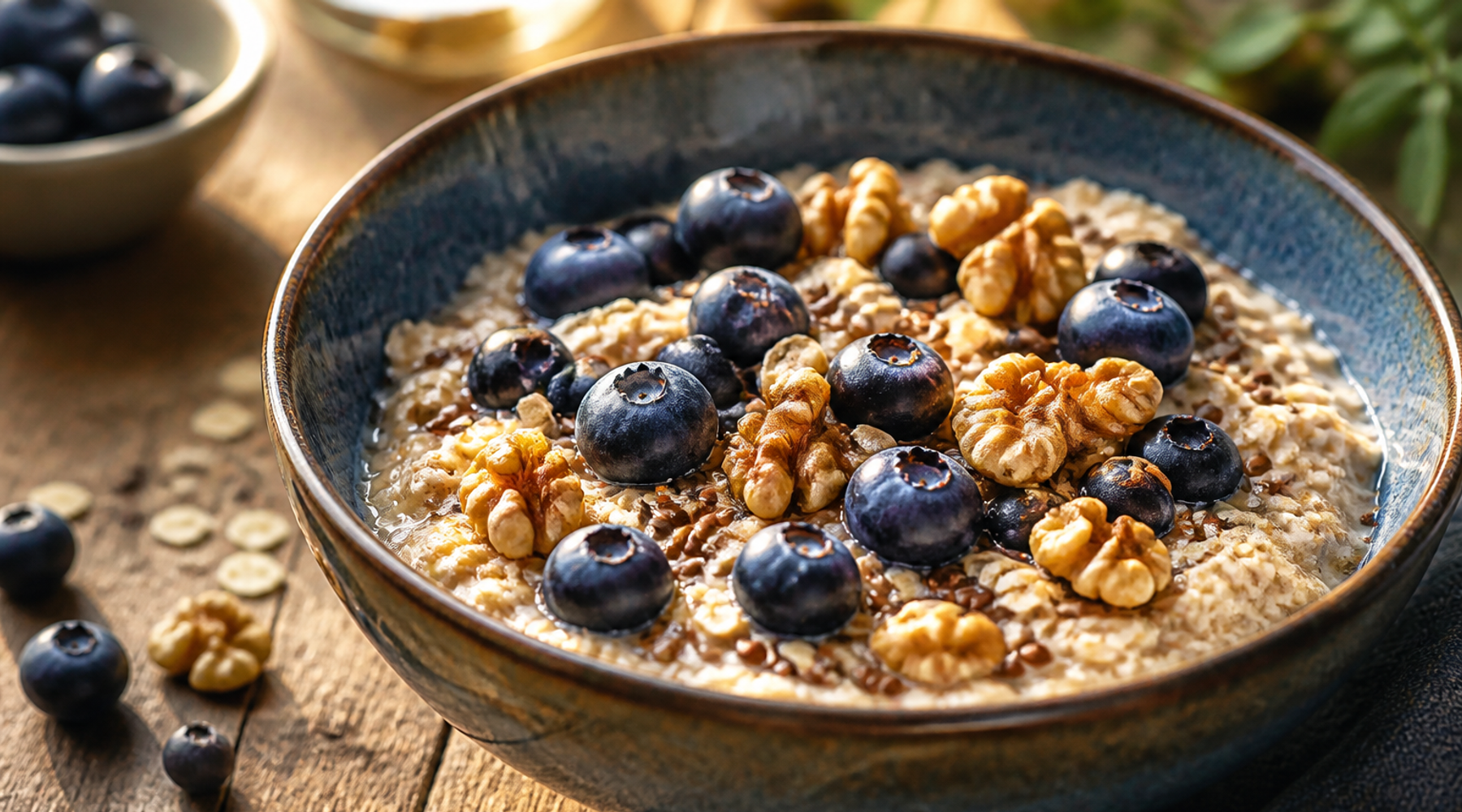
A new study suggests that dietary fiber does more than just aid digestion; it may actually slow brain aging and improve cognitive function by reducing inflammation through the gut-brain axis.
Recent research has uncovered a compelling link between high-fiber diets and the preservation of cognitive function. While fiber has long been championed for heart health and digestive regularity, scientists are now focusing on its ability to mitigate age-related brain inflammation and memory decline. This connection is primarily driven by the gut-brain axis, a bidirectional communication network between the gastrointestinal tract and the central nervous system.
## The Gut-Brain Connection
When you consume fiber, gut bacteria break it down into short-chain fatty acids (SCFAs), such as butyrate. These compounds have been shown to possess significant anti-inflammatory properties. In clinical studies, researchers observed that higher levels of these fatty acids help suppress the activation of microglia, which are specialized immune cells in the brain that can cause neuroinflammation when overactive.
## Protecting Against Cognitive Decline
As we age, chronic low-grade inflammation in the brain becomes more common, often leading to cognitive impairments or increasing the risk of neurodegenerative diseases. By increasing fiber intake, individuals may be able to lower the systemic inflammatory response. Data suggests that those with fiber-rich diets perform better on memory tests and show slower rates of gray matter depletion compared to those on low-fiber diets.
## Choosing the Right Sources
Not all fiber is created equal when it comes to brain benefits. The study highlights the importance of fermentable fibers found in natural whole foods over heavily processed supplements. Experts recommend centering the diet around legumes, berries, oats, and cruciferous vegetables like broccoli and Brussels sprouts to maximize the production of beneficial fatty acids.
## Practical Dietary Shifts
Transitioning to a high-fiber lifestyle doesn't require a total overhaul. Small adjustments, such as swapping white bread for whole-grain varieties or adding a handful of nuts to a snack, can significantly boost daily intake. Most health organizations recommend between 25 and 38 grams of fiber per day, yet the majority of adults currently fall well below that threshold. This new neuroprotective evidence provides a powerful incentive to close that gap.
Written by
Viralized Staff