Once reserved for bodybuilders, creatine is seeing a surge in popularity among non-athletes. New research into cognitive support and muscle aging is repositioning the supplement as a general health tool.
Creatine has long been the hallmark of local gym culture, synonymous with bulky plastic tubs and high-intensity strength training. For decades, its primary reputation revolved around water retention and muscle power. However, a shift is occurring in the wellness industry as demographic groups far removed from the weight room begin incorporating the supplement into their daily routines. This transition is driven by scientific interest in how the compound affects more than just bicep curls.
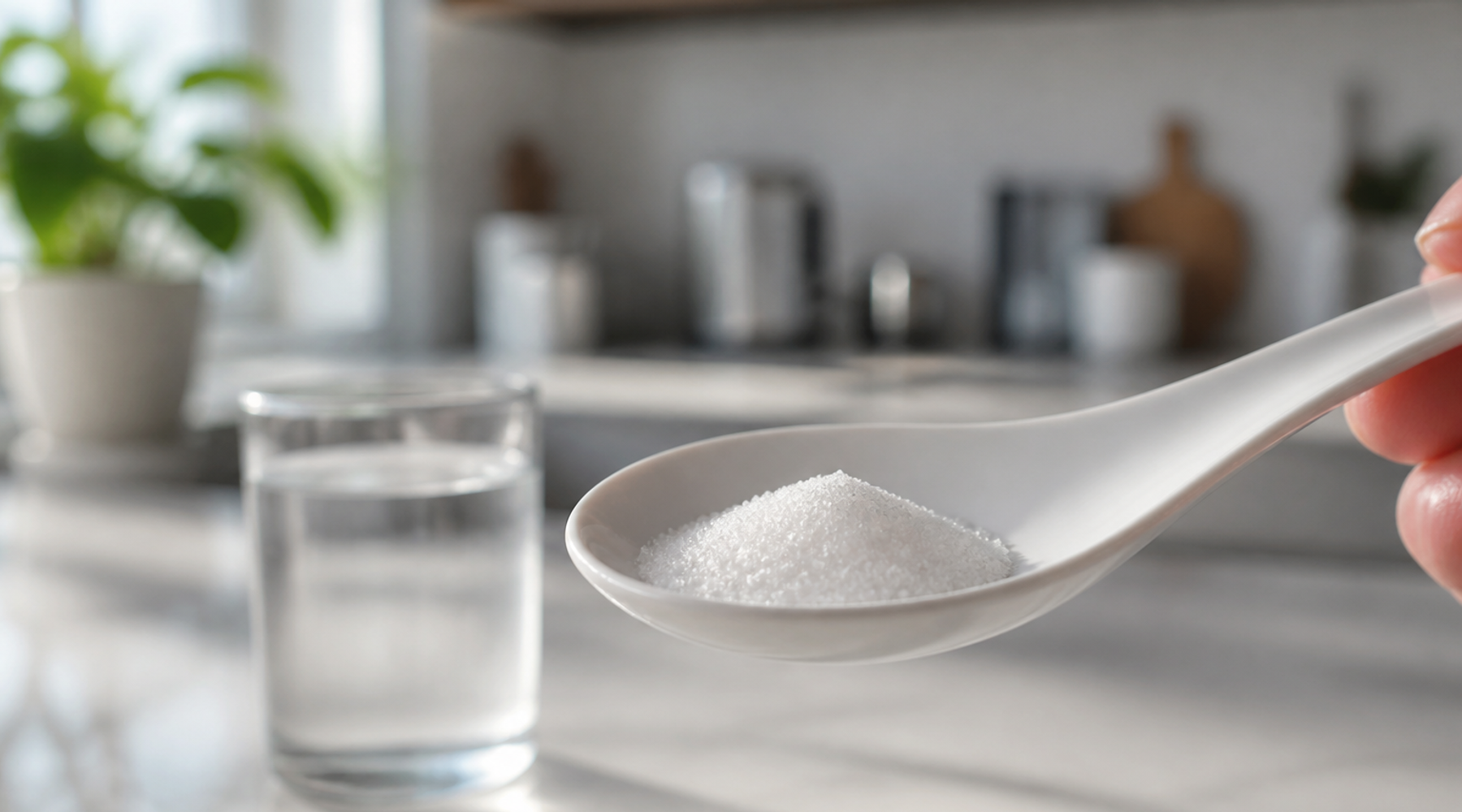
At its core, creatine is a naturally occurring compound found in muscle cells that helps produce energy during heavy lifting or high-intensity exercise. While the body produces some on its own and obtains more through red meat and seafood, many are turning to synthetic monohydrate powders to maintain higher systemic levels. This isn't just about physical performance anymore; it is increasingly about metabolic and neurological efficiency.
## The Cognitive Connection
One of the primary drivers of this new trend is the emerging research regarding brain health. Evidence suggests that the brain, much like a muscle, requires significant amounts of ATP (adenosine triphosphate) to function. Studies have indicated that creatine supplementation may help with mental fatigue, particularly during tasks that require high cognitive demand or in individuals who are sleep-deprived. By supporting the brain's energy metabolism, it is being positioned as a potential tool for executive function.
## Aging and Muscle Maintenance
Another factor is the growing concern over sarcopenia, or age-related muscle loss. Health professionals are increasingly looking at creatine as a supportive measure for older adults to maintain lean mass and bone density, even without high-impact weightlifting. Preserving muscle is a key indicator of longevity and mobility, making the supplement attractive to a demographic that prioritizes functional independence over aesthetic gains.
## A Shift in Consumer Perception
The stigma surrounding creatine is also fading due to its status as one of the most researched supplements in history. Unlike experimental wellness trends, the safety profile of creatine monohydrate is well-documented across thousands of participants. This transparency has allowed it to move from niche fitness shops to mainstream grocery store shelves, appealing to vegetarians—who often have lower baseline levels—and general health enthusiasts looking for a science-backed edge.
Written by
Viralized Staff