
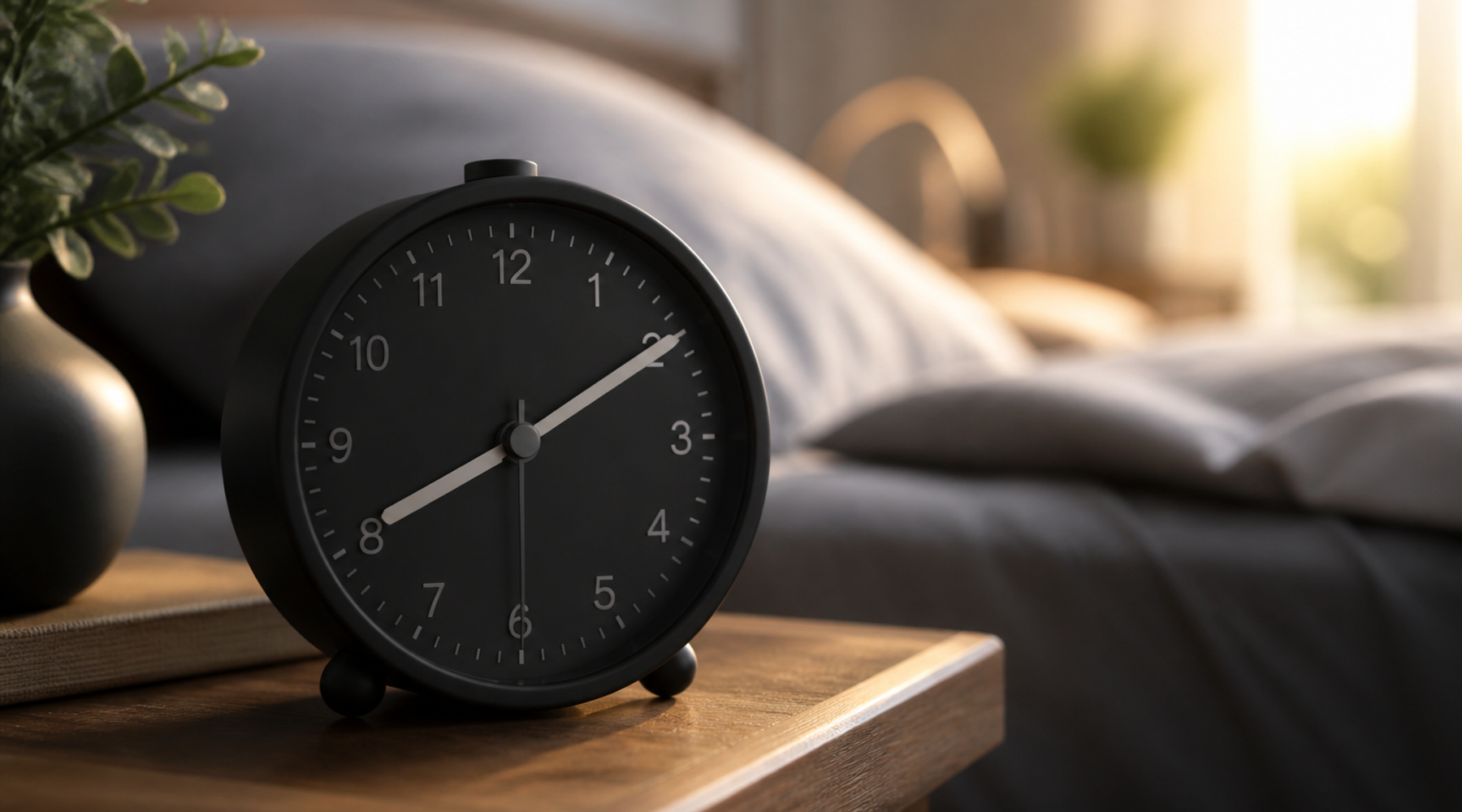
Traditional analog alarm clocks are seeing a massive resurgence as consumers trade their smartphones for 'dumb' bedside tech to improve sleep hygiene.
A surprising shift in bedroom technology is happening across the country. Retailers are reporting a significant spike in sales for a classic household staple: the analog alarm clock. Far from the high-tech, voice-activated hubs that have dominated nightstands for the last decade, these battery-operated devices are making a comeback as more people attempt to decouple their sleep schedules from their smartphones.
## The Rise of Sleep Hygiene
The primary driver behind this trend is the growing awareness of sleep hygiene. Health experts have long warned that the blue light emitted by smartphones interferes with melatonin production, but the psychological tether to the device is proving harder to break. By replacing the phone with a dedicated alarm clock, users remove the temptation to scroll through social media or check emails immediately upon waking or right before drifting off.
## Analog Over Digital
While digital alarm clocks have existed for decades, the current trend favors premium analog models. Brands are focusing on tactile materials like brushed metal, wood, and glass, offering a silent sweep second hand to eliminate the traditional ticking sound that can disturb light sleepers. This aesthetic shift aligns with the broader 'quiet luxury' and 'analog revival' trends seen in vinyl records and film photography.
## Market Impact
Major home goods retailers have noted that inventory for simple bedside clocks is moving faster than anticipated. Some boutique brands have even reported waitlists for their minimalist designs. This isn't just a nostalgia play; it's a functional response to digital burnout. Consumers are increasingly willing to pay a premium for a single-use device that helps them reclaim their attention.
## Long-Term Outlook
As the wellness industry continues to expand, specialized tools for 'unplugging' are likely to stay relevant. The analog alarm clock serves as a physical boundary between the digital world and the private space of the bedroom. For many, the small investment in a dedicated clock is a small price to pay for a more restful night and a more intentional start to the day.
Written by
Viralized Staff