
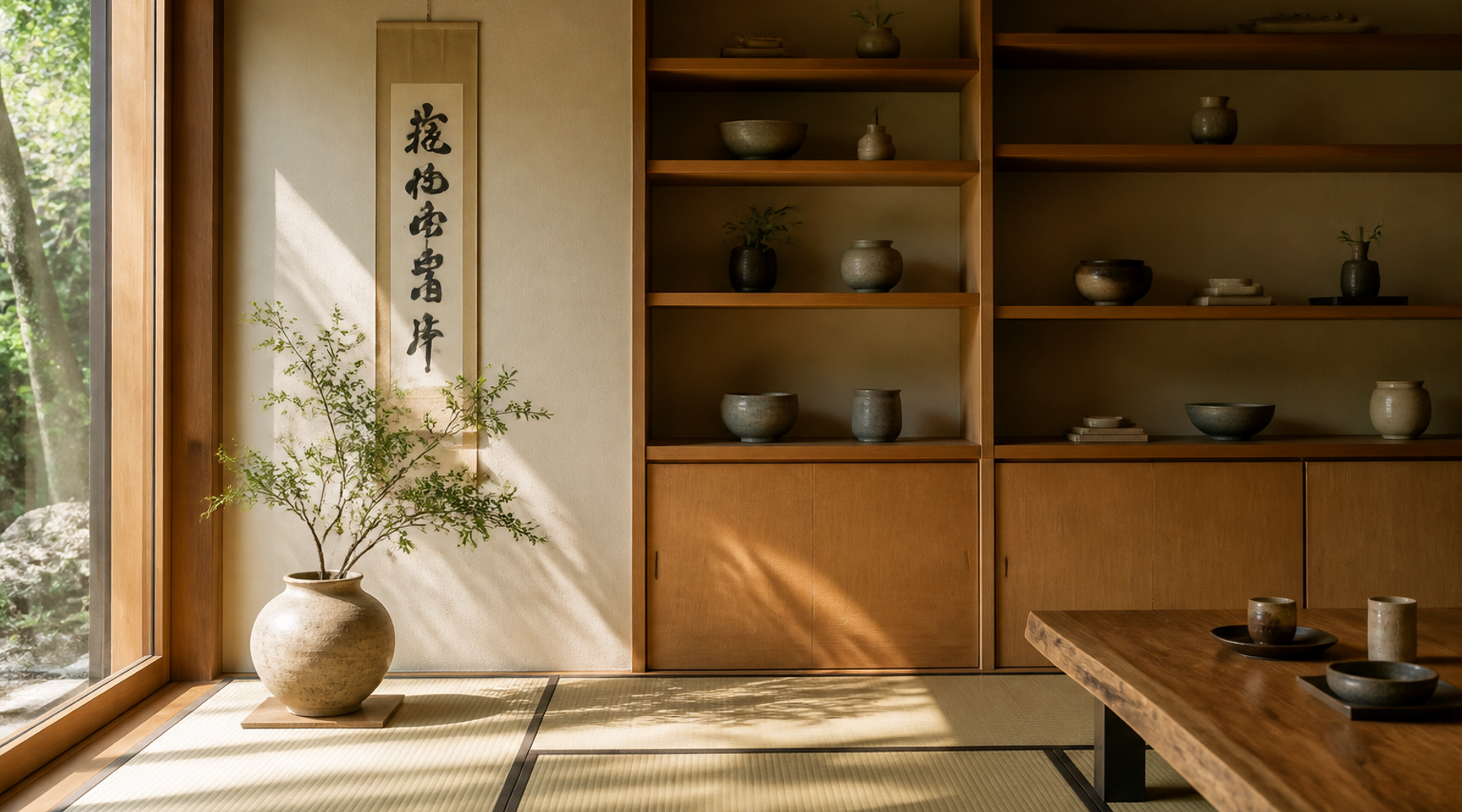
Modern home organization often feels like an endless chore. However, a specific Japanese principle known as Oosouji shifts the focus from simple tidying to a symbolic fresh start.
The Philosophy of Oosouji
While many people are familiar with the KonMari method of discarding items that do not spark joy, there is a deeper traditional practice called Oosouji. Originating as a centuries-old ritual, Oosouji translates to "big cleaning." Unlike weekly vacuuming, this is an intentional, thorough reset of the home. The goal is not just aesthetic; it is meant to clear out the physical and mental clutter of the previous year to make room for new opportunities.
Cleaning from Top to Bottom
A core tenet of this Japanese habit is the direction of movement. practitioners always clean from the ceiling down to the floor. In practical terms, this ensures that dust and debris falling from light fixtures or high shelves do not ruin spaces you have already scrubbed. By following this vertical logic, you eliminate the need to repeat tasks, making the process significantly more efficient than a scattered approach.
The Rule of One-Way Movement
Another specific element of the habit is moving in a clockwise direction around a room. This provides a clear start and end point, preventing the common mistake of bouncing between different corners of a house. By committing to a single path, you ensure that no spot is overlooked. It turns a chaotic household chore into a methodical process that reduces decision fatigue.
Letting Go of the Past
Oosouji emphasizes that cleaning is incomplete if you are still surrounded by broken or unused items. The habit encourages tackling "moya moya"—the lingering feeling of discomfort caused by unfinished business. This means fixing the leaky faucet or finally donating the box in the hallway. By addressing these small burdens, the home becomes a place of rest rather than a list of outstanding tasks.
Written by
Viralized Staff