
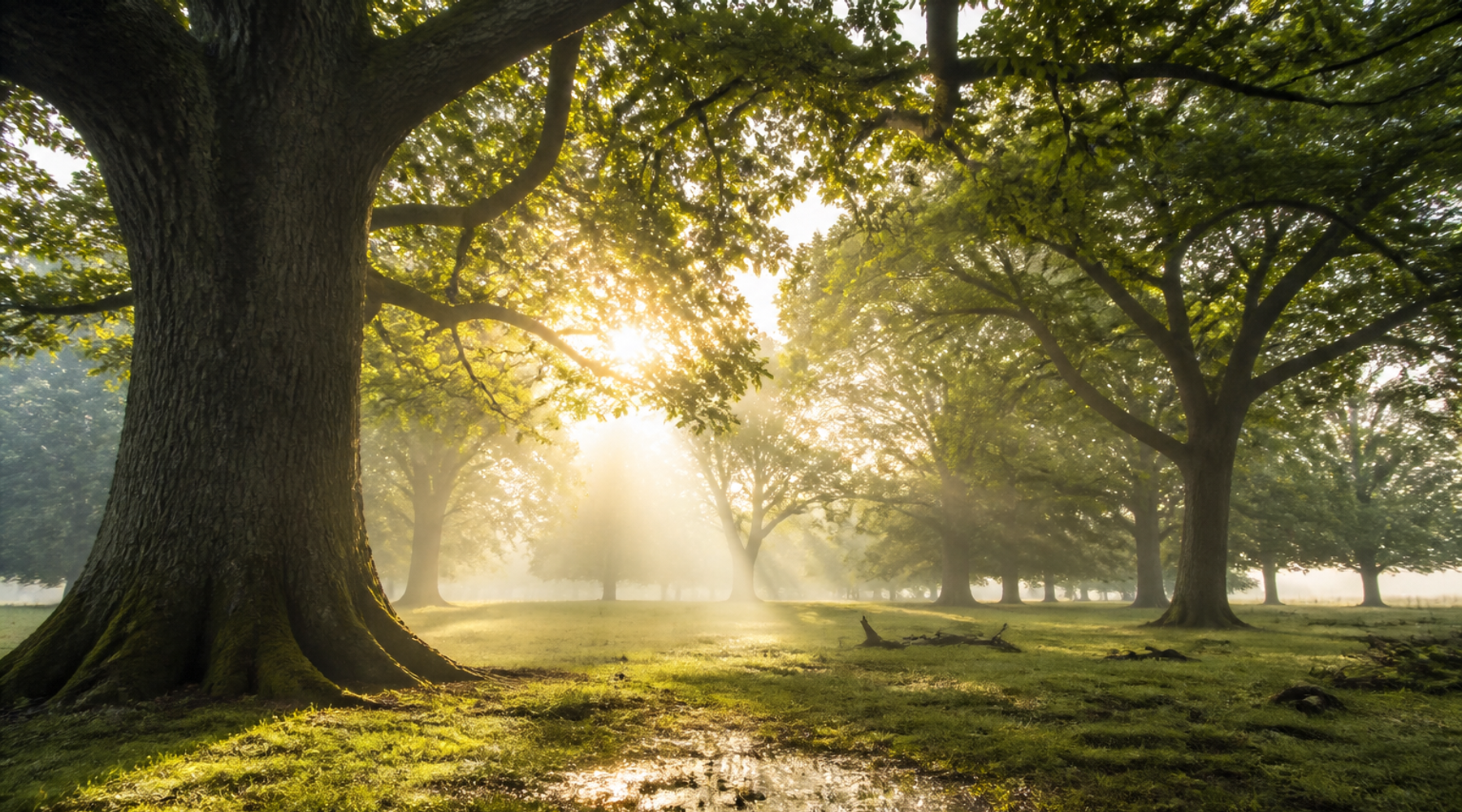
New research confirms that 'forest bathing' isn't just a trend. Scientists have found specific biological markers that indicate spending time in wooded areas lowers stress and boosts immune function.
The Science of Forest Bathing
For decades, the concept of 'Shinrin-yoku' or forest bathing has been a cornerstone of preventive medicine in Japan. Recent studies from around the globe are now providing the biological evidence to back these cultural practices. Researchers have found that spending even twenty minutes in a wooded environment significantly lowers cortisol, the human body's primary stress hormone. This isn't just a psychological placebo; it is a measurable physiological shift.
Phytoncides and the Immune System
One of the most fascinating discoveries involves phytoncides—natural essential oils emitted by trees like pines, cedars, and oaks to protect themselves from insects and rot. When humans breathe in these chemicals, our bodies respond by increasing the activity of 'Natural Killer' (NK) cells. These white blood cells are vital for the immune system, as they track and eliminate virally infected cells and even certain tumor cells. The boost from a single afternoon in the woods can last for several days.
Cardiovascular and Mental Benefits
Beyond the immune system, trees play a critical role in cardiovascular health. Data suggests that people living in areas with higher tree canopy coverage have a lower risk of stroke and heart disease. The presence of greenery helps to reduce blood pressure and slows the heart rate, providing a natural buffer against the high-intensity atmosphere of urban living. The visual fractal patterns found in branches and leaves also help the brain enter a state of 'effortless attention,' reducing mental fatigue.
Integrating Nature into Daily Life
You don't need to trek into a remote wilderness to reap these rewards. Scientists emphasize that urban parks and tree-lined streets provide similar, albeit slightly diminished, benefits. The key is consistency and sensory engagement. By putting away smartphones and focusing on the sounds, smells, and sights of a wooded area, individuals can effectively reset their nervous systems. As cities continue to grow, the preservation of urban forests is becoming a matter of public health rather than just aesthetics.
Written by
Viralized Staff